
Discovering Montreal: A Personal Tour of Museums Big and Small
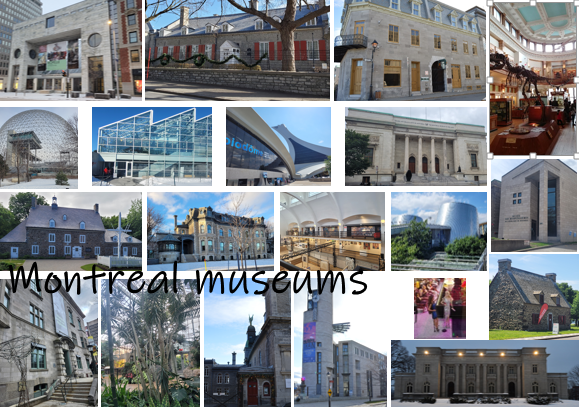
I like to break away from routine now and then to explore new ideas and perspectives—and museums are a great way to do just that. Whether focused on a specific subject or weaving together diverse stories and objects, a good museum can challenge how we see the world. Montreal offers a rich variety of museums, each offering a unique lens on history, art, culture, or science. Some are large institutions, while others are quite small—but even the more modest ones often offer surprisingly engaging and worthwhile visits. A number are located in historic residences tied to influential figures, while others highlight the natural environment, local architecture, or the evolution of everyday life in Quebec. The list below includes museums I’ve personally explored. While not comprehensive, it highlights some of the most memorable and thought-provoking experiences the city has to offer.
Art & Design
Museum of Fine Arts (Musée des Beaux-Arts)
1379 – 1380 Sherbrooke West
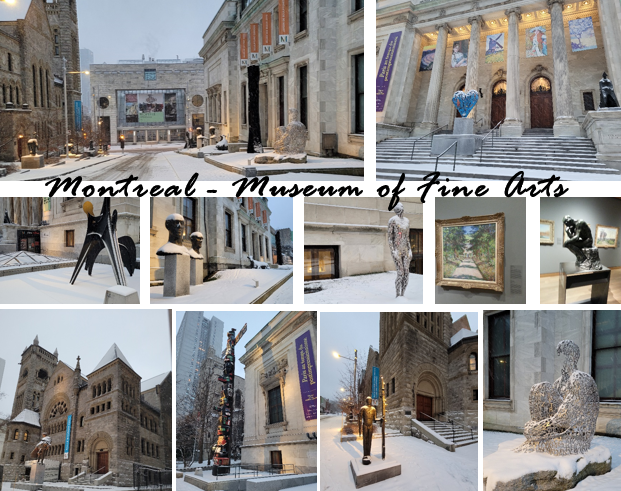
The Montreal Museum of Fine Arts, located about a 10-minute walk from McGill University, is one of Canada’s most prominent art institutions, with roots tracing back to the mid-1800s. It began with traveling exhibitions and was solidified by a key donation from Benaiah Gibb in 1877. The main building on Sherbrooke Street opened in 1912 and has since expanded across the street and along Bishop Street, incorporating modern pavilions and even the historic Erskine and American United Church, now home to the Bourgie Concert Hall with Tiffany stained glass. The museum spans several pavilions—each named after major donors—and houses a diverse range of permanent and temporary exhibitions, from ancient to contemporary art, including local and international works. Its outdoor sculpture garden, art therapy programs, and attached movie theater add to the multifaceted experience, making it a rich cultural destination that can’t be fully explored in just one visit.
More information on my visit here
Official website: https://www.mbam.qc.ca/en/
McCord Steward Museum
690 Sherbrooke St Ouest
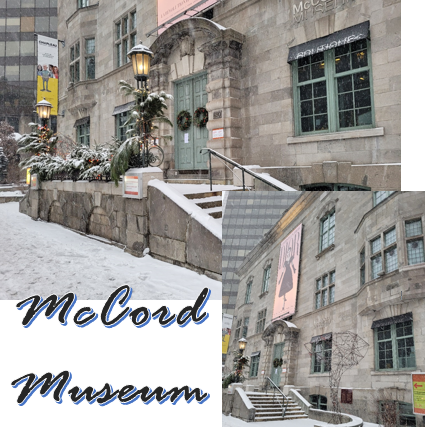
The McCord Steward Museum is one of Montreal’s most important cultural institutions, dedicated to preserving and sharing the city’s rich social history. Originally founded on the vision of David Ross McCord in the late 19th century, the museum now houses extensive collections that include photographs, textiles, Indigenous artifacts, and more—offering a diverse and inclusive look at Montreal’s past. With the integration of collections from the former Stewart and Fashion Museums, the McCord has become a central hub for exploring Canadian heritage. Through exhibitions, education, and public programming—including the beloved Ogilvy Christmas window display—the museum connects people to the evolving story of Montreal and brings history to life both inside and outside its walls.
More information on my visit here
Official site : https://www.musee-mccord-stewart.ca/en/
Musee d’art contemporain
under renovation 2025
The Musée d’art contemporain de Montréal (MAC), founded in 1964 by the Québec government, is Canada’s premier institution dedicated exclusively to contemporary art. Since its public debut in 1965, the museum has evolved through various locations, including Château Dufresne and the Expo 67 Gallery, before settling in its current building at Place des Arts in 1992. Since 2021, the MAC temporarily relocated to Place Ville Marie to undergo a significant architectural transformation, aiming to enhance its presence in the Quartier des Spectacles.
The Place Ville Marie offers small temporary exhibition. We will await reopening to provide more details.
Official website: https://macm.org/en/
Creative exhibition
Barbie Expo
Cours Mont-Royal – 1455 Peel St level 3
The Barbie Expo at Les Cours Mont-Royal in Montreal is the world’s largest permanent Barbie doll exhibition, featuring over 1,000 unique dolls dressed by top designers like Dior and Vera Wang, and inspired by celebrities such as Beyoncé and Marilyn Monroe. Showcasing fashion, diversity, and culture, the exhibit includes themed dioramas and immersive displays. Located at 1455 Peel Street (Level 3), it is open daily with free admission, though donations to the Make-A-Wish Foundation are encouraged. It’s a vibrant and family-friendly attraction for Barbie fans and pop culture lovers alike.
More information on my visit click here
Official site : https://expobarbie.ca/
Nature – living
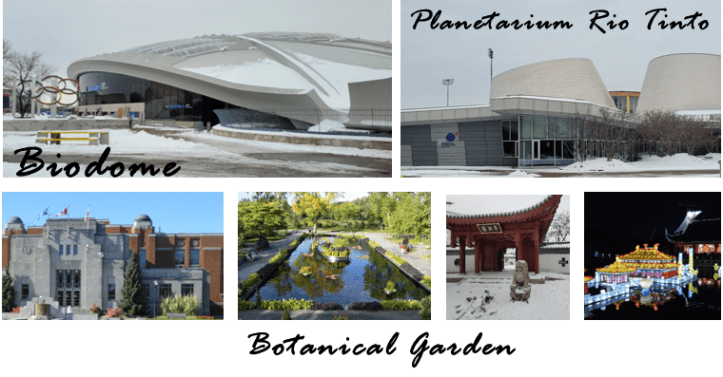
Montréal’s Espace pour la Vie (Space for Life) is Canada’s largest natural science museum complex, located in the Olympic Park area. It unites five major institutions:
Espace pour la vie
- Biodôme: Features replicas of four ecosystems from the Americas, housing over 4,500 animals and 500 plant species.
- Biosphère: An environmental museum housed in the iconic dome from Expo 67, offering exhibitions on climate change and sustainability.
- Insectarium: North America’s largest insect museum, showcasing over 250,000 specimens and immersive exhibits.
- Botanical Garden: Spanning 185 acres, it features themed gardens and greenhouses with thousands of plant species.
- Planétarium: Offers immersive shows exploring the universe, including the permanent exhibition “EXO, Our Search for Life in the Universe.”
Collectively, these institutions promote environmental education and conservation, making Espace pour la Vie a hub for science and nature enthusiasts.
More information on my visit here
Official website: https://espacepourlavie.ca/en
Botanical garden
4101, rue Sherbrooke Est
The Jardin botanique de Montréal (Montreal Botanical Garden) is one of the world’s largest and most renowned botanical gardens, spanning 75 hectares in the city’s Olympic Park. Established in 1931, it boasts a collection of approximately 22,000 plant species and cultivars across more than 30 thematic gardens and 10 exhibition greenhouses. Highlights include the Chinese Garden, Japanese Garden, and First Nations Garden, each offering unique cultural and botanical experiences. The garden also features the Frédéric-Back Tree House and hosts seasonal events like “Gardens of Light” and “Telling Our Story – The Territory.” As part of the Espace pour la Vie complex, it offers a rich program of events, exhibitions, and activities throughout the year. Visitors can explore diverse plant collections, enjoy cultural gardens, and participate in various educational and cultural activities, making it a must-visit destination for nature enthusiasts and families alike.
The greenhouses are under infrastructure improvement until 2031.
Biodôme
4777, avenue Pierre-De Coubertin
Since 1992, Montreal’s Biodôme has offered visitors the chance to explore five distinct ecosystems—ranging from the Tropical Rainforest to the Sub-Antarctic Islands—all under one roof. Housed in the former velodrome built for the 1976 Summer Olympics and designed by French architect Roger Taillibert, the space was transformed into a unique indoor nature museum. Reopened in 2021 after major renovations, the Biodôme remains a favorite, especially among families, with modernized spaces and interactive experiences. While some animals can be tricky to spot, helpful staff enhance the visit by pointing out well-hidden wildlife in this immersive, climate-controlled environment.
More information on my visit here
Insectarium
4581, rue Sherbrooke Est
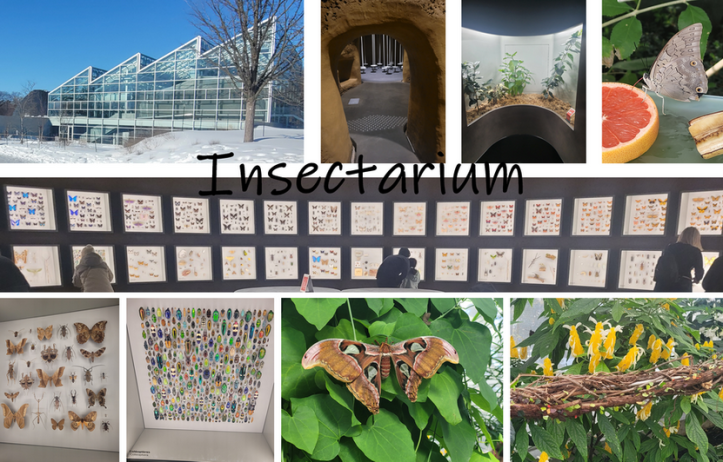
The Montréal Insectarium, located within the Botanical Gardens and part of the Space for Life museum complex, reopened in 2022 with a completely redesigned, immersive experience. Visitors begin their journey in a tunnel-like space mimicking an anthill, followed by sections showcasing camouflaged live insects, a vibrant dome with over 70 displays organized by color and insect traits, and a lush butterfly aviary featuring leaf-carrying ants and beautiful landscaping. While the design is visually striking, in-depth information is limited unless accessed through the mobile app or by speaking with on-site educators. Founded in 1990 through the efforts of entomologist Georges Brossard and housing collections from Brossard and Firmin Laliberté, the Insectarium remains a unique destination celebrating insect life. Visitors should check seasonal access rules and parking tips before going.
More information on my visit here
Planetarium
4801, avenue Pierre-De Coubertin
The Montreal Planetarium, part of the Space for Life complex, focuses on astronomy and space science through interactive exhibits and immersive shows. Housed in a modern, eco-friendly building near the Olympic Park, it features two dome theaters where visitors can watch presentations that explore the universe, celestial phenomena, and the latest discoveries in space exploration. The experience is both educational and visually engaging, appealing to a wide range of ages and interests.
Biosphere
160 Chemin du Tour de l’isle – île Sainte-Hélène
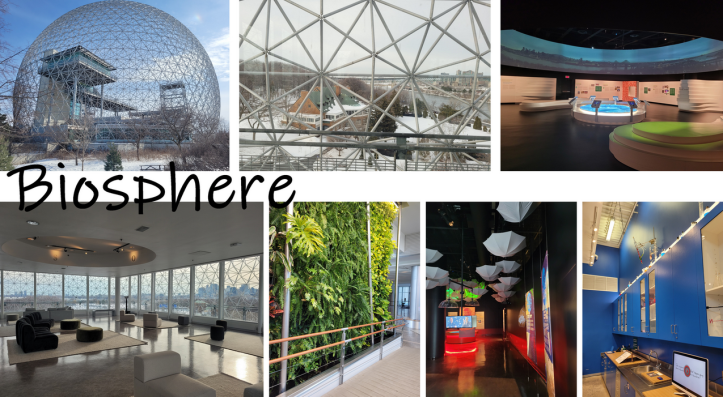
The Biosphere in Montreal is an environmental museum housed in a striking geodesic dome designed by Buckminster Fuller for Expo 67. Originally the U.S. pavilion, it was later repurposed into a museum after a fire in 1976 destroyed its acrylic shell. Located on Île Sainte-Hélène in Parc Jean-Drapeau, the museum explores pressing ecological issues such as climate change, biodiversity, and sustainability through interactive exhibits and immersive displays. Now part of the Space for Life network, the Biosphere also features a panoramic belvedere, indoor garden, and artistic installations. It’s easily accessible by public transit via the Jean-Drapeau metro station and offers a thought-provoking experience in a unique architectural setting.
More information on my visit here
On the island but outside of the city center
Ecomuseum Zoo – Sainte-Anne-de-Bellevue
21125 Sainte Marie Rd (by car)
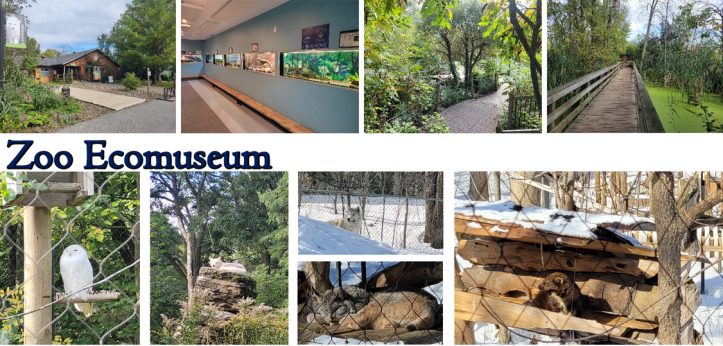
The Ecomuseum Zoo, the only one of its kind on the island of Montreal, offers a unique and respectful approach to wildlife care by serving as a sanctuary for injured or orphaned native animals that can no longer survive in the wild. Rather than functioning as a traditional zoo, it provides a protected, naturalistic environment where animals live permanently without being bought, sold, bred, or traded. Visitors can observe local species—some rarely seen even by residents—in enclosures designed to mimic their natural habitats, complete with hibernation spaces. Covering 12 acres, the site is family-friendly and features informative signage, with a range of animals including black bears, foxes, wolves, otters, owls, and reptiles. Each visit is different, shaped by the seasons and animal activity, making it a meaningful and educational experience worth repeating.
More information on my visit here
Official site: https://zooecomuseum.ca/en/
Nature – history
Redpath Museum
859 Sherbrooke St Ouest
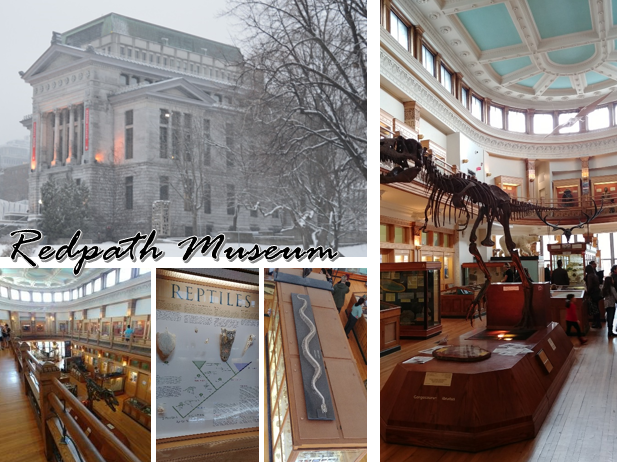
Located on McGill University’s main campus in Montreal, the Redpath Museum—built in 1882—is one of the oldest museums in Canada. Originally created to showcase Sir William Dawson’s collections, it now houses a compact but fascinating range of exhibits, from fossils, meteorites, and dinosaur skeletons to mummies, Samurai armor, and taxidermy of Quebec wildlife. Though the building lacks modern amenities like air conditioning and an elevator, it offers a rich educational experience in a beautiful setting. Admission is free (donations welcome), but visitors are advised to check the museum’s website for possible closures during heatwaves. A hidden gem just off Sherbrooke Street, the Redpath Museum is well worth a visit for curious minds.
More information on my visit here
Official Redpath Museum website: https://www.mcgill.ca/redpath/
Science and Technology
Science center of Montreal
2 De la Commune Ouest
The Montréal Science Centre, located in the heart of the Old Port, is an interactive museum dedicated to science and technology. It features permanent exhibitions that offer an immersive and playful experience, as well as a section devoted to temporary exhibitions that explore other senses in an interactive and sensory way. In addition to its exhibits, the Science Centre includes an IMAX®TELUS theatre, offering immersive screenings on a giant screen.
The Centre’s permanent exhibitions provide a fully immersive experience in stimulating environments where visitors are encouraged to touch, manipulate, and experiment with scientific concepts through a wide and innovative array of interactive devices.
Official website: https://www.centredessciencesdemontreal.com/information-visiteurs
Historic sites – Industrial Heritage and architecture
Pointe-a-Callieres Museum
350, Place Royale
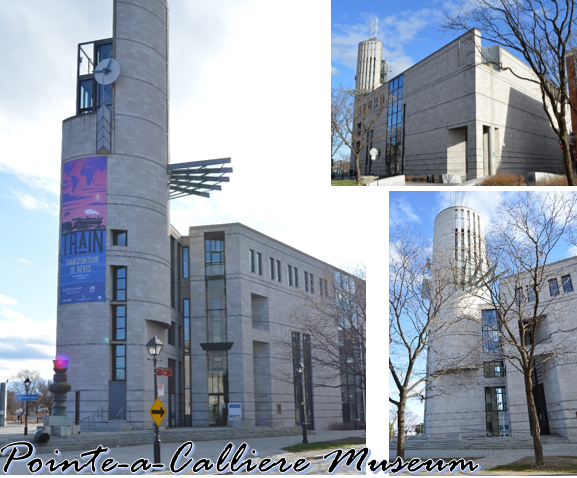
The Pointe-à-Callière Museum in Montreal offers a unique window into the city’s origins, built atop the site of the 1642 founding of Ville-Marie and the remains of Fort Ville-Marie. Visitors can explore archaeological ruins, including an old Catholic cemetery and the former home of Governor Callière, alongside a multimedia presentation tracing Montreal’s history. The museum highlights First Nations’ presence and features North America’s first collector sewer, an illuminated tunnel that reveals the city’s hidden past. Key exhibits include the Great Peace of Montreal treaty of 1701. While the museum’s modern architecture and underground sites are striking, some visitors find the outdoor public art less connected to the historical theme.
More information on my visit here
Official website: https://pacmusee.qc.ca/en/
Exposition « Montréal Capitale » par Pointe-à-Callière
335, rue Saint-Pierre
The Montréal, Capital City exhibition is a permanent display at Pointe-à-Callière Museum, located in the former Fire Station No. 1 at 335 Saint-Pierre Street in Old Montreal. It highlights a lesser-known chapter of the city’s past—when Montréal served as the capital of the Province of Canada from 1844 to 1849. Built on a major archaeological site, the exhibition presents over a hundred artifacts (out of more than 350,000 uncovered), including fragments of the parliament libraries destroyed by fire in 1849, household items, tools, and coins. Visitors can explore 3D reconstructions of the original Sainte-Anne Market and Parliament buildings, offering a vivid window into the political and daily life of the era. The exhibition sheds light on Montréal’s key role in the early development of Canadian democracy, including the 1848 recognition of French as an official language in Parliament.
Official website: https://pacmusee.qc.ca/en/exhibitions/detail/exhibition-montreal-capital-city/
Lachine Canal
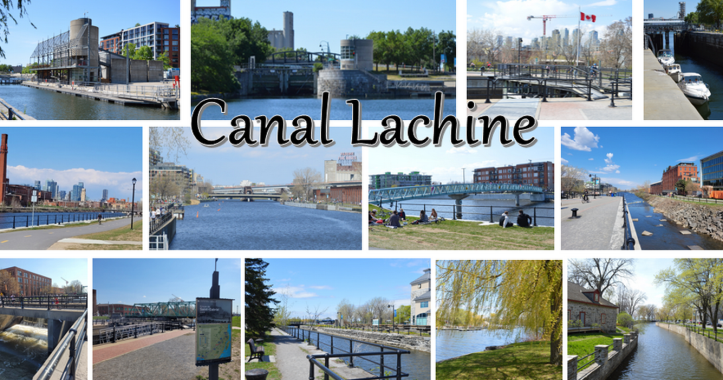
The Lachine Canal played a key role in Montreal’s industrial and economic development. Built between 1821 and 1825 to bypass the dangerous Lachine Rapids, the 14 km waterway—with its original seven locks—connected Old Montreal to Lake Saint-Louis. Its creation sparked rapid industrial growth along its banks, drawing factories, workers, and thriving neighborhoods by the late 19th century. Though expanded in 1840 and 1885, the canal lost importance after the opening of the St. Lawrence Seaway in 1959, combined with shifting energy sources and transportation methods. After decades of decline, the canal was revitalized and reopened for recreational use in 2002. Today, it features a popular bike and pedestrian path, green spaces, and restored heritage buildings, linking key landmarks like the Atwater Market, Fur Trade Museum, and René-Lévesque Park. The area has seen a mix of modern condo developments and historic preservation, making it a vibrant and scenic destination for locals and visitors alike.
More information on my visit here
Outside of the city center
Canadian Architecture Museum
1920, Baile street
The Canadian Centre for Architecture (CCA) in Montreal is a museum and research institution dedicated to architecture as a public concern, encouraging reflection on various social and environmental issues. It houses a significant collection of architectural drawings, books, and archival materials. Through exhibitions, publications, and public programs, the CCA explores how architecture shapes contemporary life and society. The building itself—incorporating the historic 19th-century Shaughnessy House—is particularly noteworthy, featuring both temporary and permanent exhibition spaces, a library, a study centre, and a sculpture garden. Founded by Phyllis Lambert in 1979, the CCA promotes research, innovative design, and public engagement through a range of activities. While the experience may vary depending on current programming, the architecture of the site alone makes it a distinctive place to visit.
Official website: https://www.cca.qc.ca/en/visit-us
Fur Trade at Lachine National Historic Site
1255 Saint-Joseph Boulevard – Lachine
Located along the Promenade Père-Marquette near the old Lachine Canal, this stone warehouse—built in 1803 for the fur trade—once served as a storage site with direct water access for trading. In the 18th and early 19th centuries, the fur trade was a major economic driver in North America, especially in New France, fueling exploration, settlement, and relations with Indigenous peoples. Purchased by the Hudson’s Bay Company in 1833 and later by the Sisters of Sainte-Anne in 1861, the building has housed a museum since 1985. Facing the imposing former convent of the Sisters of Sainte-Anne, the single-storey rectangular structure offers a tangible link to this important era. Its setting, rich in heritage, invites visitors to step back in time while exploring a key chapter of local and national history.
Seasonal opening

More information here
Official website: https://parks.canada.ca/lhn-nhs/qc/lachine
Outside of the city center
Maison Nivard-De Saint-Didier Museum and Archaeological Site (Verdun)
7244 Blvd. LaSalle, Verdun
Tucked along the banks of the Saint Lawrence River in Verdun, this historic house—built in 1710—is one of the best-preserved examples of early rural French colonial architecture in Montreal. With two original chimneys and simple stone construction, it reflects everyday settler life in New France. But the site’s history goes back much further: archaeological discoveries show it was occupied by Indigenous peoples for over 6,000 years, making it one of the most significant prehistoric sites on the island. Set within Parc Honorable-George-O’Reilly and near the Lachine Rapids, the museum blends natural beauty, colonial heritage, and deep Indigenous roots. A perfect stop for those interested in archaeology, architecture, and Montreal’s layered past.
Official website (French): https://maisonnivard-de-saint-dizier.com/
History sites – people / residence / living / house
Château Dufresne
2929 Av. Jeanne-d’Arc
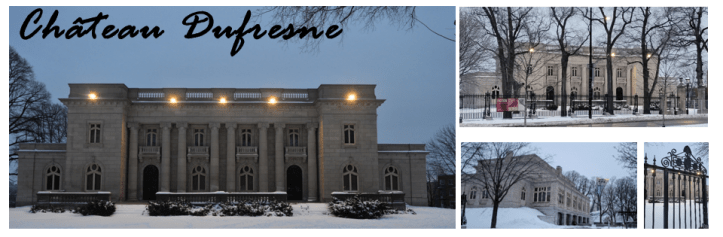
The Château Dufresne, originally built in 1918 by brothers Marius and Oscar Dufresne in a style inspired by the Petit Trianon of Versailles, was designed as two grand French-style residences incorporating innovative features for the time. Over the years, the building has had several lives: from private homes to an educational institution, then the site of Quebec’s National Contemporary Art Museum, followed by a Decorative Art Museum, and finally, since 1999, the Château Dufresne Museum. Notable for its elegant architecture, period furnishings, and artwork by Guido Nincheri, the museum offers a glimpse into early 20th-century noble living. Recently improved, it’s a beautifully restored space worth revisiting.
More information on my visit here
Official website: https://chateaudufresne.com/en/about-the-museum/
Château Ramezay
280, rue Notre-Dame Est
Chateau Ramezay, built in 1705 on Notre-Dame Street long before the nearby City Hall, is a modest yet historically rich building that has served many roles over the centuries. Originally the home of Governor Claude Ramezay, it later housed various government offices, including English governors, a courthouse, and Laval University’s medical faculty. Its history reflects the influence of French, English, and American occupants, including notable visitors like poet Émile Nelligan and Benjamin Franklin. Preserved despite threats of demolition, the castle is now a museum showcasing artifacts and paintings that illustrate Montreal’s early settlement and diverse heritage, with reconstructed gardens maintaining the spirit of the original estate.

More information on my visit here.
Official website: https://www.chateauramezay.qc.ca/en/
Maison George-Etienne Cartier
58, rue Notre-Dame St. Est
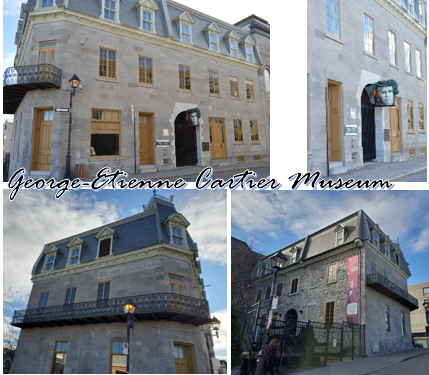
George-Étienne Cartier, a lawyer who helped shape Canada’s Civil Code and played an active role in politics, once lived in Old Montreal. His 1837 house is now a National Historic Site museum that offers insight into his life, family, and the social context of the era. Visitors can explore original rooms and furnishings, including the dining and living rooms, which reflect the style and wealth of the time. Guided tours enrich the experience by providing deeper historical context.
More information on my visit here.
Official website: https://parks.canada.ca/lhn-nhs/qc/etiennecartier
Maison d’Youville
138, rue Saint-Pierre
La Maison de Mère d’Youville, located in Old Montreal, is a historic site originally founded as the Montreal General Hospital in 1693 and closely associated with Marguerite d’Youville, founder of the Grey Nuns. The building preserves elements from the 17th century, including original stone walls and a bread oven, and features exhibits like “Walking in Her Footsteps” that showcase the lives of the early nuns and their charitable work. Since 2019, a major conservation and cultural revitalization project has been underway to transform the site into a heritage and educational center. Although currently closed for renovations, visitors can take a self-guided outdoor tour using a brochure available at the entrance.
Marguerite Bourgeois Museum
400 Rue Saint-Paul E
Le Musée Marguerite-Bourgeoys, situé dans le Vieux-Montréal, est un lieu dédié à la mémoire et à l’œuvre de Marguerite Bourgeoys, première enseignante de Ville-Marie et fondatrice de la Congrégation de Notre-Dame. Inauguré en 1998, le musée présente une exposition permanente intitulée Osez Marguerite !, qui retrace sa vie, son engagement éducatif et social, ainsi que son influence sur la société montréalaise naissante. À travers des artefacts, des documents historiques et des présentations interactives, le musée permet aux visiteurs de découvrir une figure marquante de l’histoire du Québec. Le musée comprend également un site archéologique révélant des vestiges autochtones et coloniaux, témoignant de la richesse historique du lieu.

More information on my visit here.
Official website: https://maisonsaintgabriel.ca/en/
Musée du Fier Monde
2050, rue Atateken
The Écomusée du Fier Monde is a unique museum in Montreal’s Centre-Sud district that celebrates the area’s working-class history. Housed in the former Bain Généreux—a public bath built in 1927 to improve hygiene for residents lacking indoor plumbing—the museum preserves the building’s original architectural features, including its tiled pool, now used as exhibition space. Once a hub for both sanitation and recreation, the bath later became a training site for Olympic swimmers before closing in 1992. Since moving in in 1996, the Écomusée has transformed the space into a vibrant cultural venue, with permanent exhibits on local industrial life and temporary shows addressing social and community issues. It offers a powerful and accessible glimpse into Montreal’s urban and social evolution.
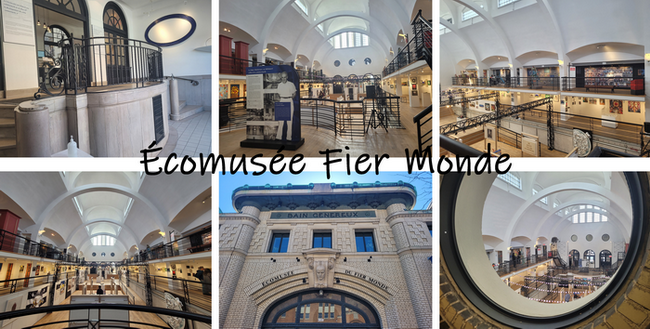
More information on my visit here.
Official website: https://ecomusee.qc.ca/en/
Musée des hospitalières de l’Hôtel Dieu
201 Pine Ave W
Fondé en 1645 par Jeanne Mance, première infirmière laïque en Nouvelle-France, l’Hôtel-Dieu de Montréal est le deuxième hôpital de la ville après un premier dispensaire établi rue Saint-Paul, et l’un des plus anciens d’Amérique du Nord. Pilier de la fondation de Montréal, il bénéficie dès 1657 du soutien des Religieuses Hospitalières de Saint-Joseph, qui joueront un rôle essentiel dans le développement des soins au Québec. Aujourd’hui, le Musée des Hospitalières, inauguré en 1992 sur le site historique de l’hôpital, témoigne de cet héritage à travers archives, objets médicaux et espaces patrimoniaux, dont la chapelle, le jardin et la crypte où repose Jeanne Mance.
Official website: https://museedeshospitalieres.qc.ca/en/
Musée des métiers d’art de Montréal
615 Sainte Croix Ave
The Maison des métiers d’art de Montréal (often associated with the Musée des métiers d’art du Québec (MUMAQ)), is dedicated to preserving and showcasing Quebec’s rich craft and artisan heritage. Housed in a former church, it features a permanent exhibition on the evolution of fine crafts, along with temporary shows, workshops, and educational activities. Its collection includes sculpture, porcelain, furniture, and more, making it a key resource for understanding the province’s artisanal history.
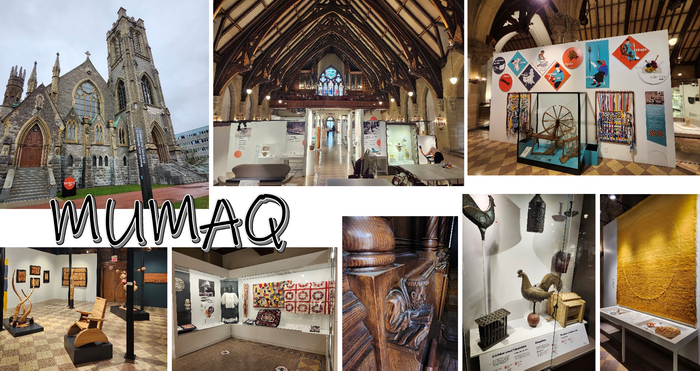
More information on my visit here.
Official website: https://www.mumaq.com/en/
Prison des patriotes
905 avenue De Lorimier
The Pied-du-Courant Prison, located near the St. Lawrence River and the Jacques Cartier Bridge, is a historic site deeply tied to Québec’s struggle for freedom and justice, most notably during the Patriote Rebellions of 1837–1838. Built between 1831 and 1840 in the Neoclassical style, it housed political prisoners—many of whom were executed or deported—and later served as Montreal’s main prison until 1912. After a period of abandonment, it became the headquarters of the Société des alcools du Québec and underwent significant architectural changes. Designated a historic monument in 1978, it now houses a modest museum and serves as a site of memory, particularly on Journée nationale des Patriotes. Nearby, the Governor’s House—once the residence of the prison’s last warden—also forms part of the heritage complex and is used for cultural activities. Though rich in historical significance, the site remains relatively unknown to the general public and attracts limited tourist traffic.
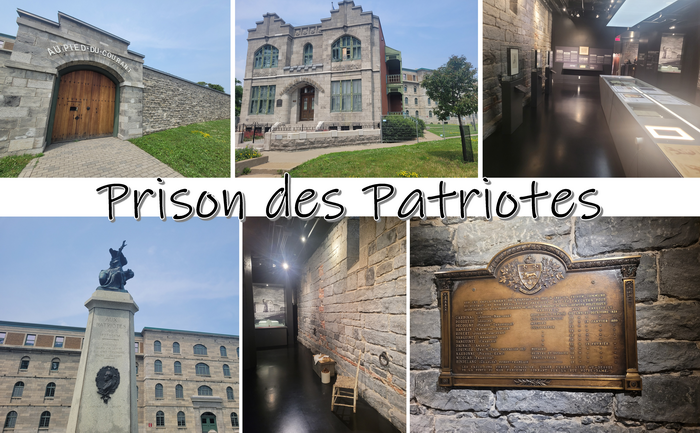
More information on my visit here.
Official website: https://www.mndp.qc.ca/la-prison-des-patriotes/ (in French)
Outside of the city center
Maison Saint-Gabriel
2146 Place Dublin
The Maison Saint-Gabriel in Pointe-Saint-Charles is a historic site where over 800 young women known as the Filles du Roi were welcomed between 1663 and 1673 by the Congregation of Notre-Dame, led by Marguerite Bourgeoys. Supported by the King of France, these women came to New France to help populate the colony, which was then largely male. At this site, they received shelter and practical training in domestic and agricultural skills until they married. Marguerite Bourgeoys, a key figure in Montreal’s early development and the first Canadian woman to be canonized, acquired the house to better support the mission. Today, the Maison Saint-Gabriel is a nationally recognized museum that preserves this significant part of Quebec’s colonial and social history.
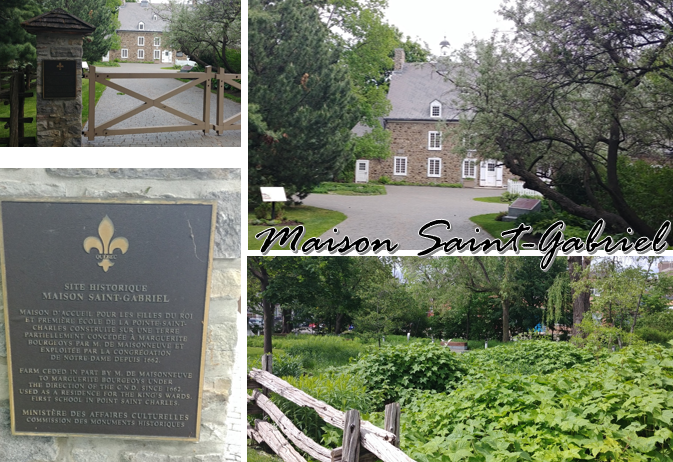
More information on my visit here.
Official website: https://maisonsaintgabriel.ca/en/
Maison Le Ber- Le Moyne / Musee Lachine / Parc Ranger (Lachine) – 2025 under renovation
1 Chem. du Musée
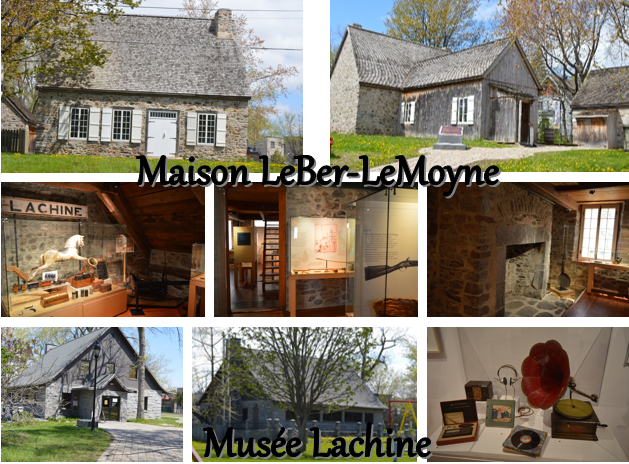
Located between the St. Lawrence River and the Lachine Canal, the Maison Le Ber-Le Moyne is the oldest surviving building on the island of Montreal, dating back to 1669. Originally a fur trading post established by merchants Le Ber and Le Moyne on land once owned by Mr. LaSalle, it later became a farmhouse before part of the property was expropriated during the construction of the Lachine Canal. Remarkably, it withstood the 1689 Lachine Raid. Now part of the Lachine Museum, the house showcases artifacts reflecting the region’s layered history—from First Nations to French and British colonization. The site offers free access to the house (with paid parking), nearby picnic areas in Ranger Park, and rotating exhibitions, such as one on historical communication technologies.
More information on my visit here
Official website: https://montreal.ca/en/places/musee-de-lachine
Not visited yet
Montreal Holocaust Museum
3535 Saint Laurent Boulevard (soon)
While I look forward to visiting the Montreal Holocaust Museum when it reopens at its new location at 3535 Saint-Laurent Boulevard in 2026, right in the heart of the city’s cultural district. The new location is a meaningful reminder that over 10,000 Holocaust survivors made Montreal their home. It’s an important place for reflection and learning.
Official website: https://museeholocauste.ca/en/
Centre des mémoires de Montréal (MEM)
1210 St Laurent Blvd
The Centre des mémoires montréalaises (MEM) is a museum dedicated to preserving and sharing the stories and histories of Montrealers from all walks of life.
Official website: https://memmtl.ca/en/
Musée des Ondes Emile Berliner | MOEB
1001 Rue Lenoir
The Émile Berliner Musée des ondes in Montreal is dedicated to the history of sound recording and broadcasting. Located in the historic Berliner Gram-o-phone factory, it showcases a unique collection of early phonographs, radios, and audio equipment, highlighting Montreal’s role in the development of sound technology. The museum offers both permanent and temporary exhibits, as well as interactive demonstrations. While it’s a fascinating stop for history, music, and tech enthusiasts, it’s worth noting that the museum may occasionally be closed even during posted hours—checking ahead is recommended.
Official site: https://moeb.ca/
Phi Centre
407 Rue Saint-Pierre
The PHI Centre, established in 2012 by Phoebe Greenberg, is a multidisciplinary cultural hub located in Old Montreal at 407 Saint-Pierre Street. Housed in a restored 1861 building, it offers a dynamic program that blends visual arts, music, cinema, design, and emerging technologies. The Centre features immersive exhibitions, performances, and virtual reality experiences, aiming to foster dialogue between artists and the public. Notable past events include Björk Digital and the Red Bull Music Academy. Admission fees vary depending on the event. For current programming and ticket information, visit the PHI Centre’s official website.
Official website: https://phi.ca/en/
Fondation Guido Molinari
3290 St Catherine St E
The Guido Molinari Foundation is a contemporary art museum dedicated to preserving and showcasing the work of Canadian abstract artist Guido Molinari. Housed in his former studio—a converted 1930s bank building in Montreal’s Hochelaga-Maisonneuve neighborhood—the foundation offers a unique glimpse into Molinari’s creative work and studio.
Official Site: https://fondationguidomolinari.org/en/
 Simple Travel and Recreation